
Carving through the rugged Sierra Madre Occidental, Mexico’s Route 40 from Durango to Concordia is one of the most legendary motorcycle roads in Latin America. Known for its breathtaking curves, stunning mountain scenery, and a dramatic history of construction and cartel presence, this road has long been a challenge and a thrill for riders.
Riding Mexico’s Legendary Route 40: Durango to Mazatlán
Motorcycle Diaries
The Devil’s Backbone and Beyond
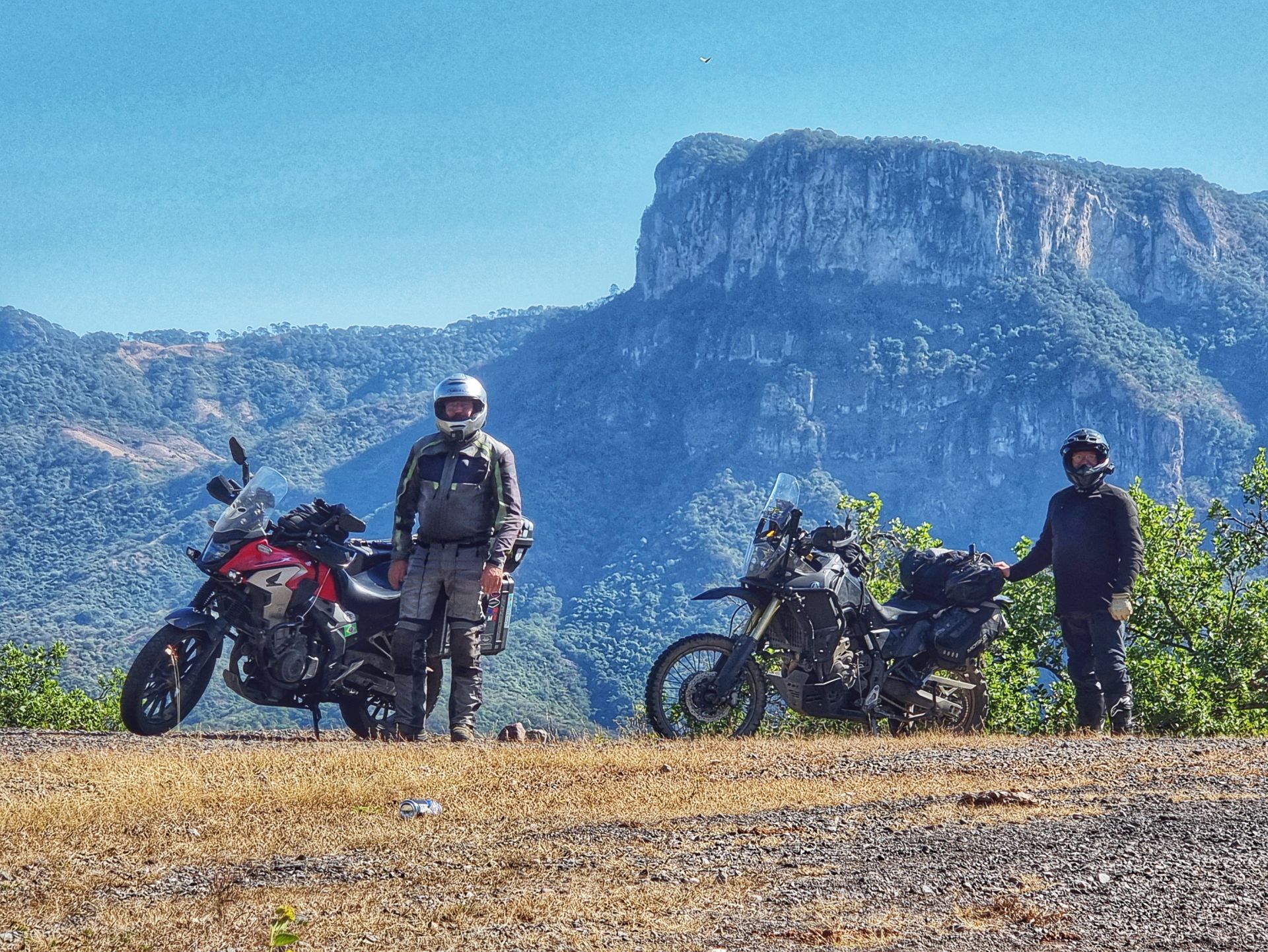
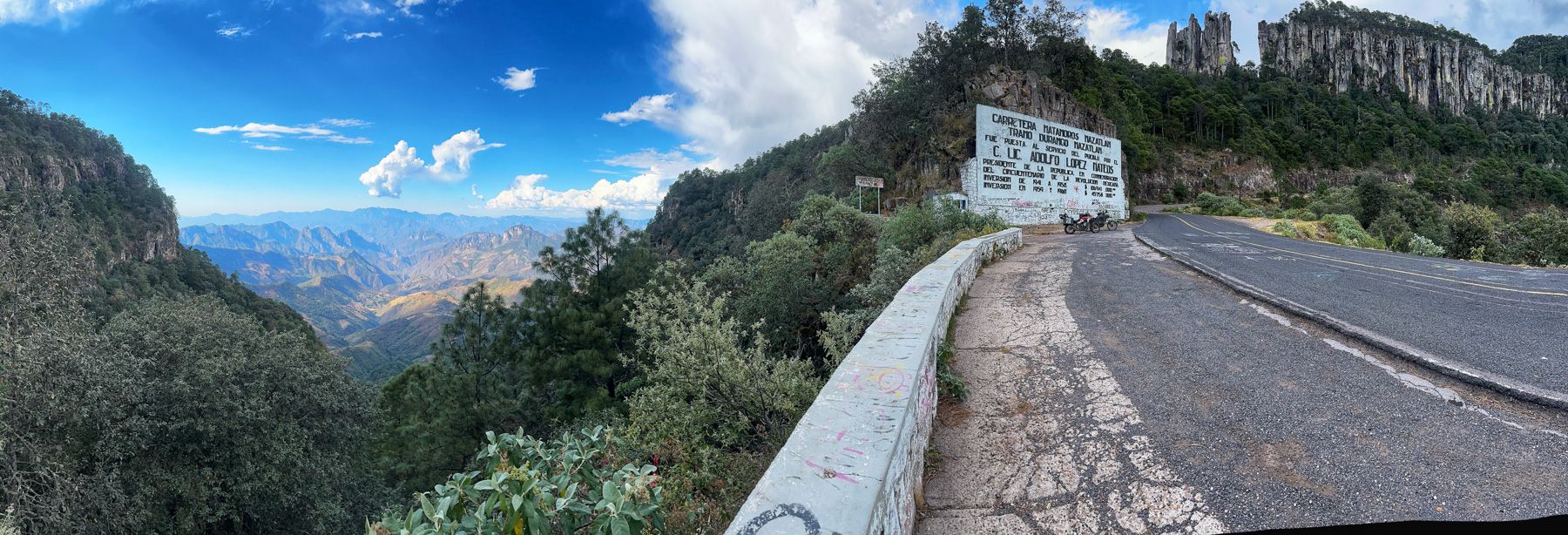
This stretch of Route 40, also called the “Espinazo del Diablo” (Devil’s Backbone), connects the high-altitude city of Durango to the tropical lowlands near Mazatlán. With a mix of old-world charm, harsh terrain, and modern dangers, this ride offers more than just asphalt—it’s a journey through Mexico’s wild heart.

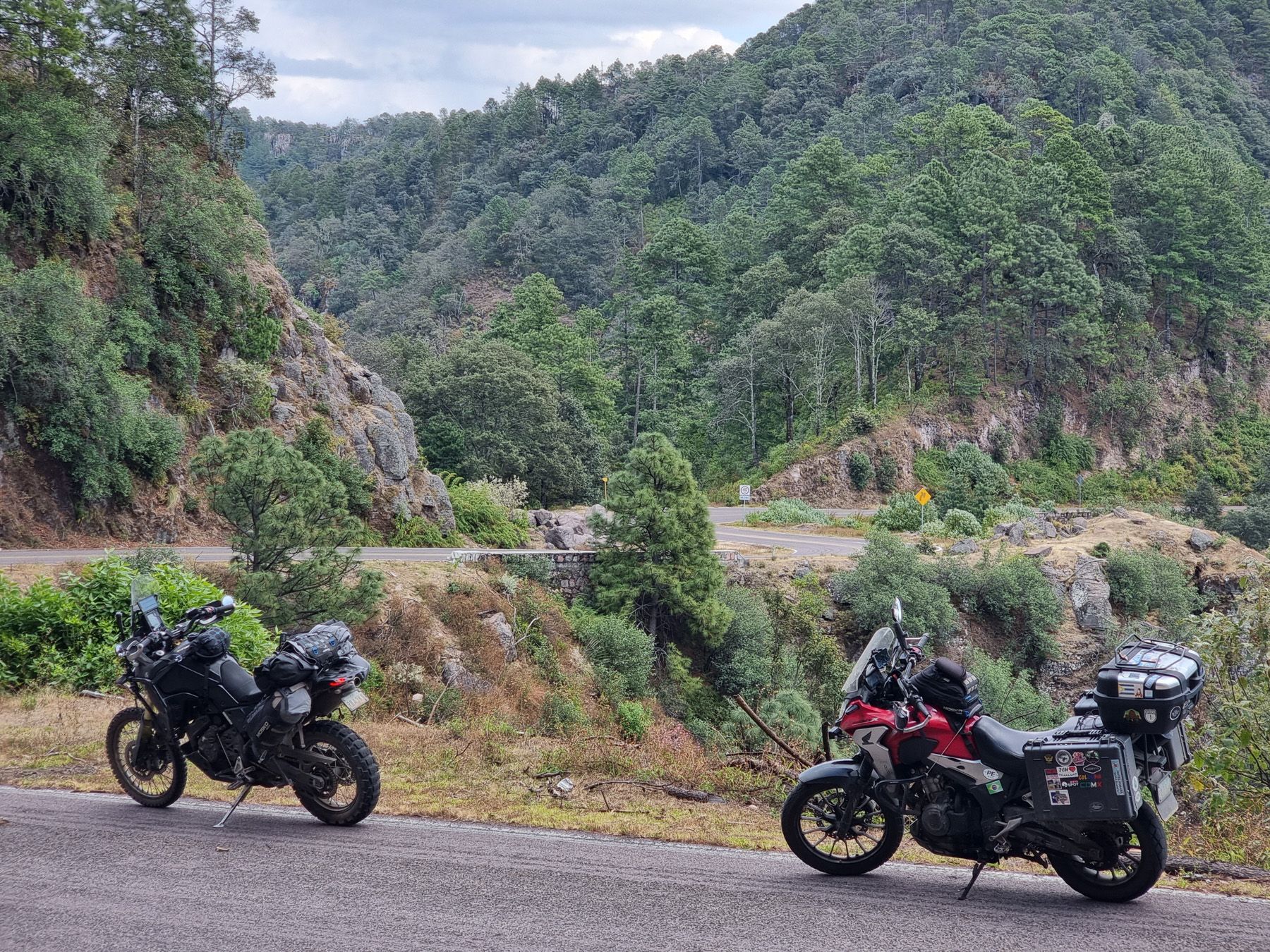
Route 40 spans the Sierra Madre Occidental, a mountain range that divides the states of Durango and Sinaloa. The road starts in Durango at an elevation of about 1,880 meters (6,168 feet) and winds through twists, switchbacks, and narrow ridges, dropping to Concordia at about 350 meters (1,148 feet).
Historically, this was one of Mexico’s most treacherous roads. Before the modern highway (Route 40D) was completed, travelers had to endure the Espinazo del Diablo, an old road notorious for its sheer drop-offs, hairpin turns, and fog-shrouded passes.

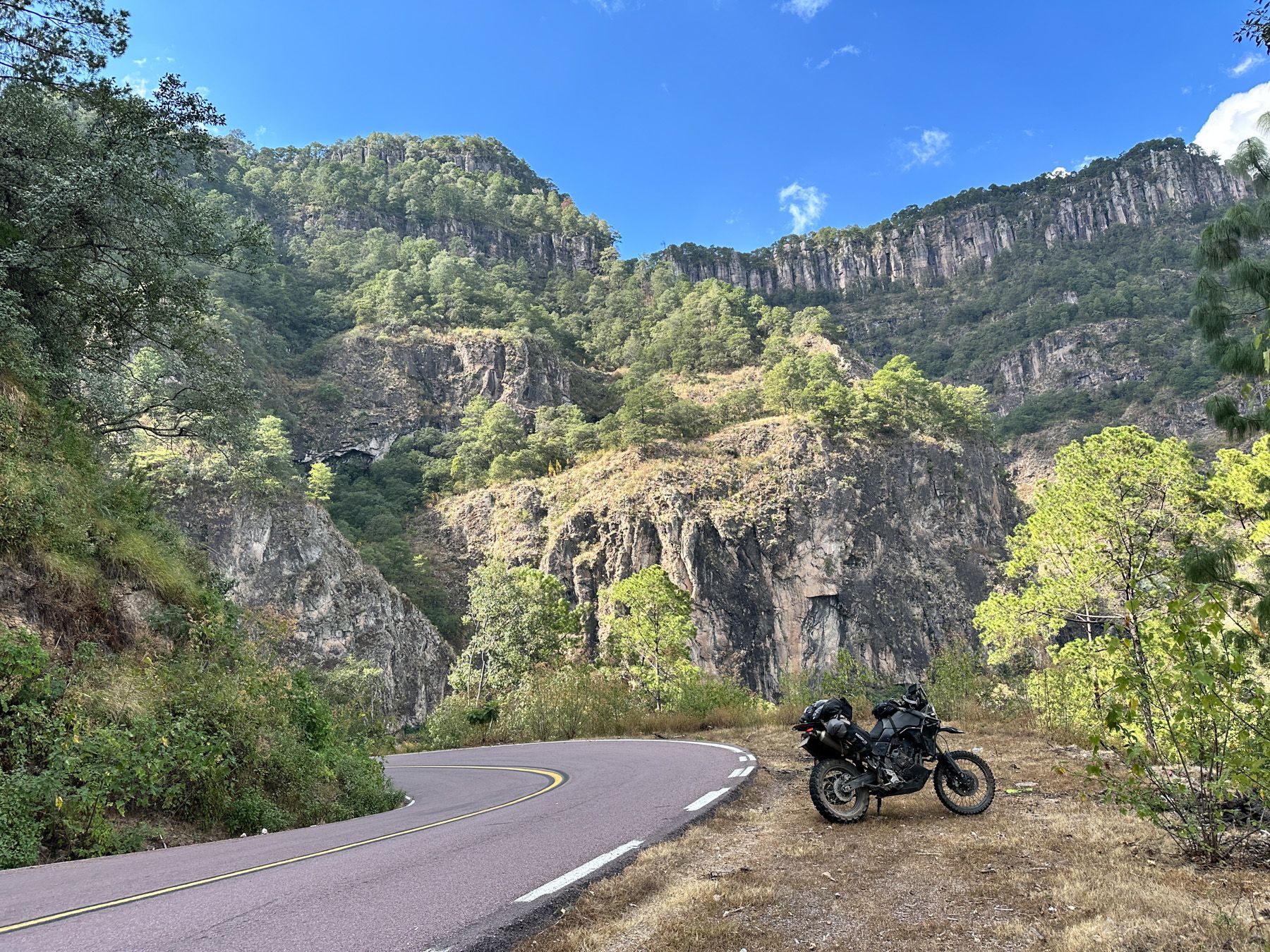
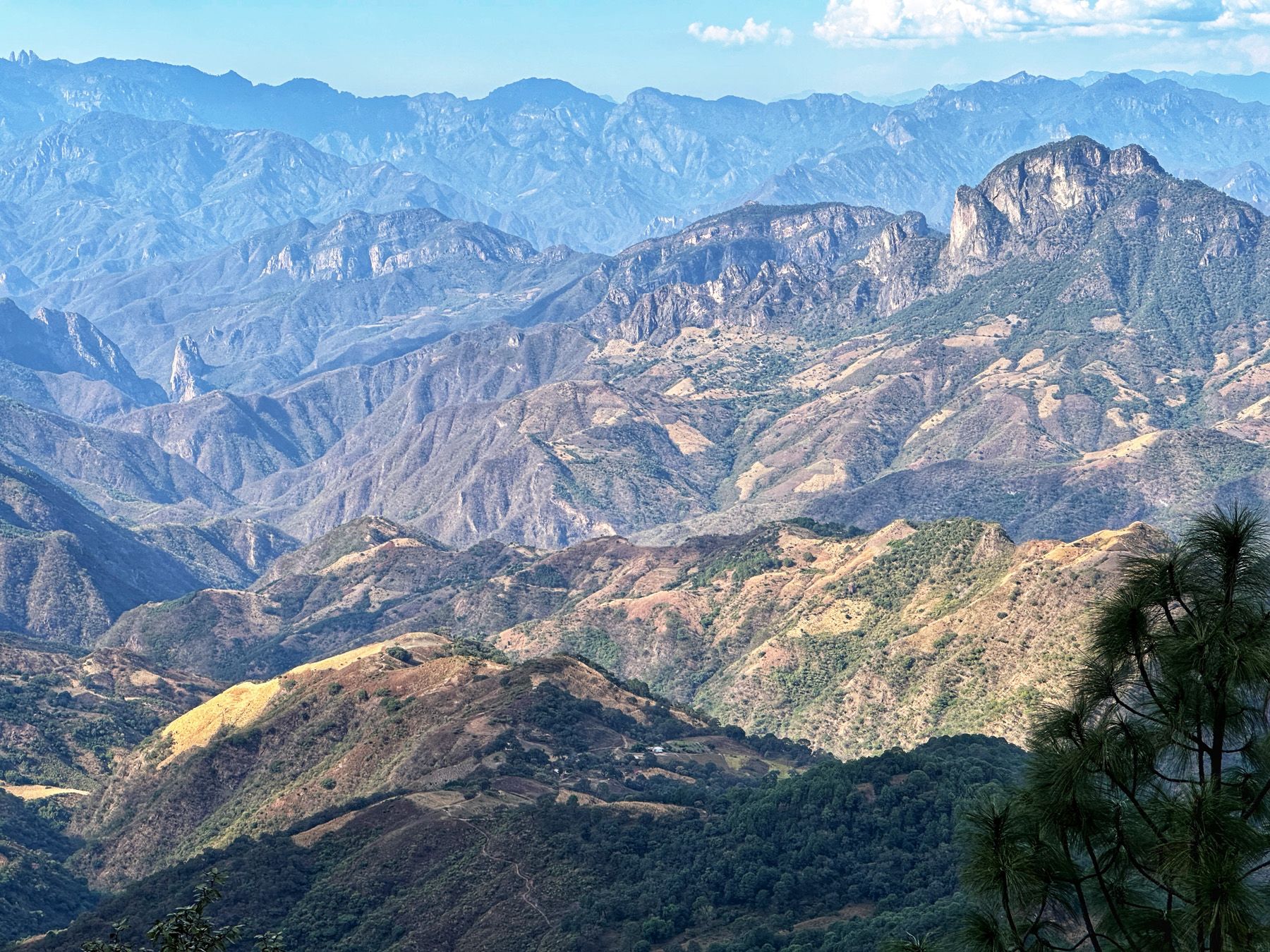
The mountain ridges are covered in dense pine forests, with mist rolling through the valleys in the morning and clear blue skies in the afternoon. But as the road descends toward Sinaloa, the landscape shifts—dry pine forests give way to humid, tropical vegetation, and the air thickens with heat.
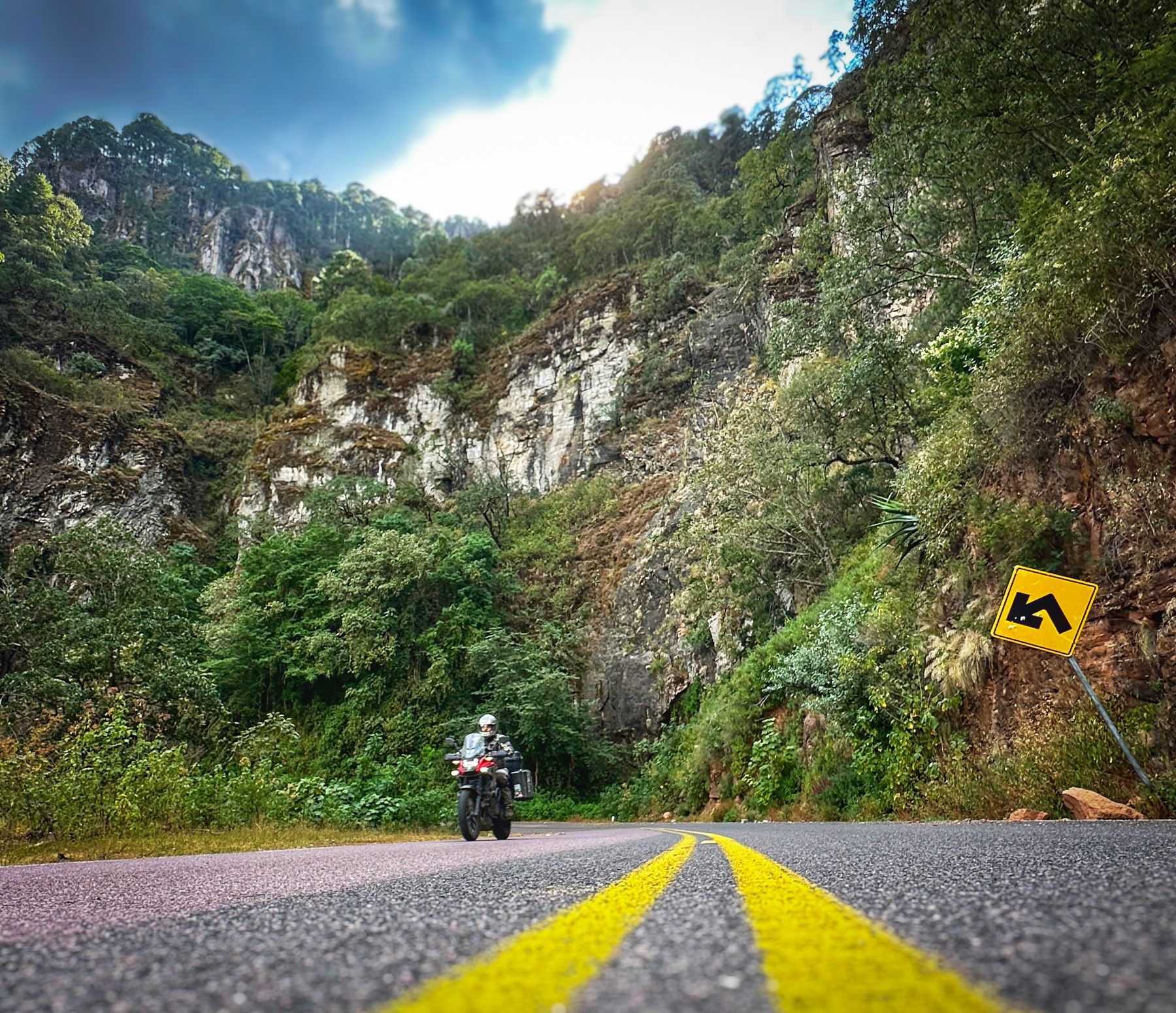
For motorcyclists, the route offers a near-perfect ride: smooth asphalt, stunning vistas, and over 3,000 curvesthat demand precision and skill.

Building a road through the Sierra Madre Occidental was no small task. The mountains are made of hard volcanic rock, with deep ravines and sharp ridges. Construction began in the early 20th century, but the road wasn’t fully paved until the mid-20th century. Engineers had to carve the road into near-vertical cliffs, using dynamite and hand tools in an era before modern tunneling equipment.
Landslides were common, and workers had to contend with extreme weather—freezing temperatures in winter and heavy rains in summer. The original Espinazo del Diablo was famous for its lack of guardrails and near-death experiences.
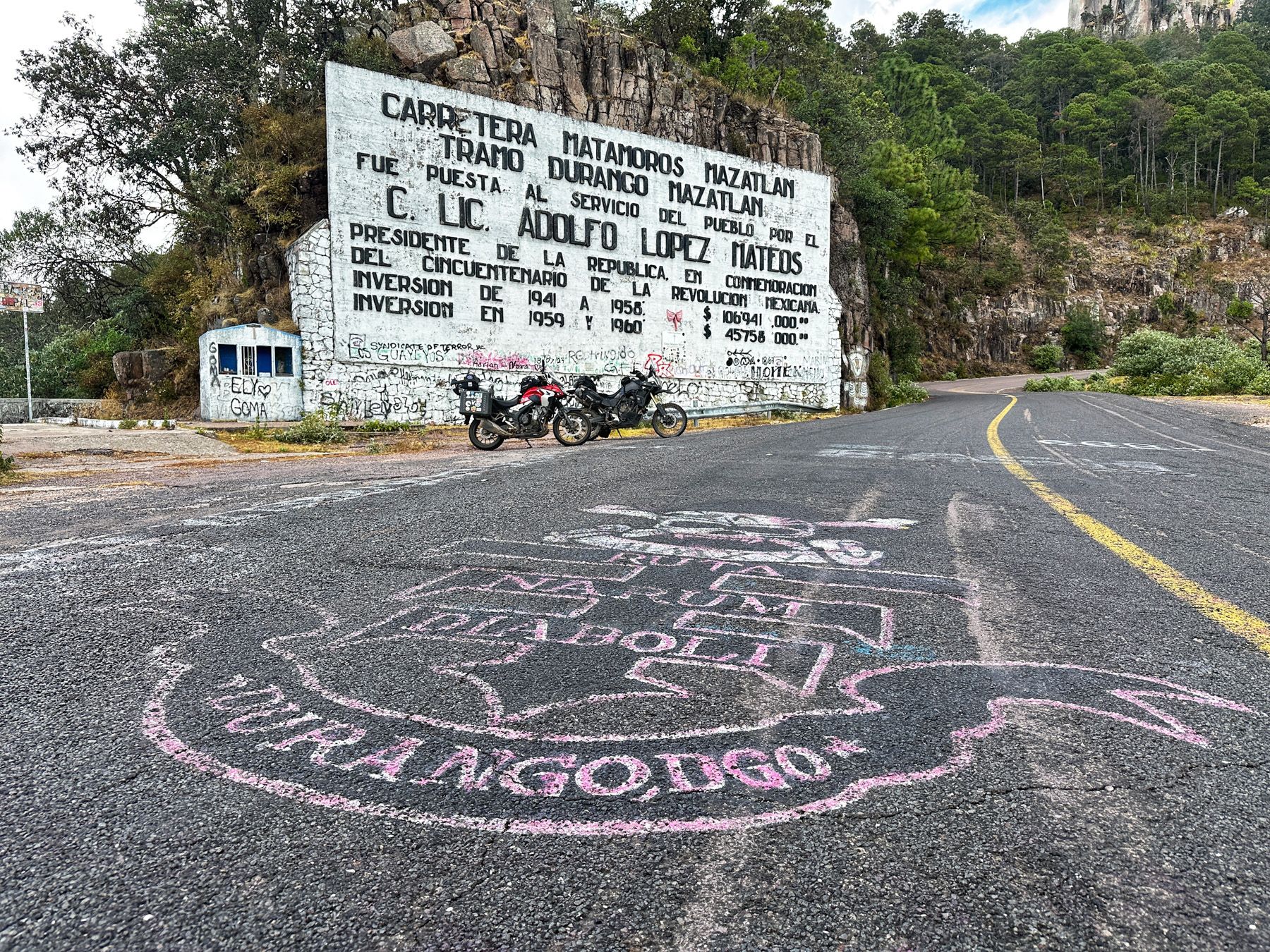
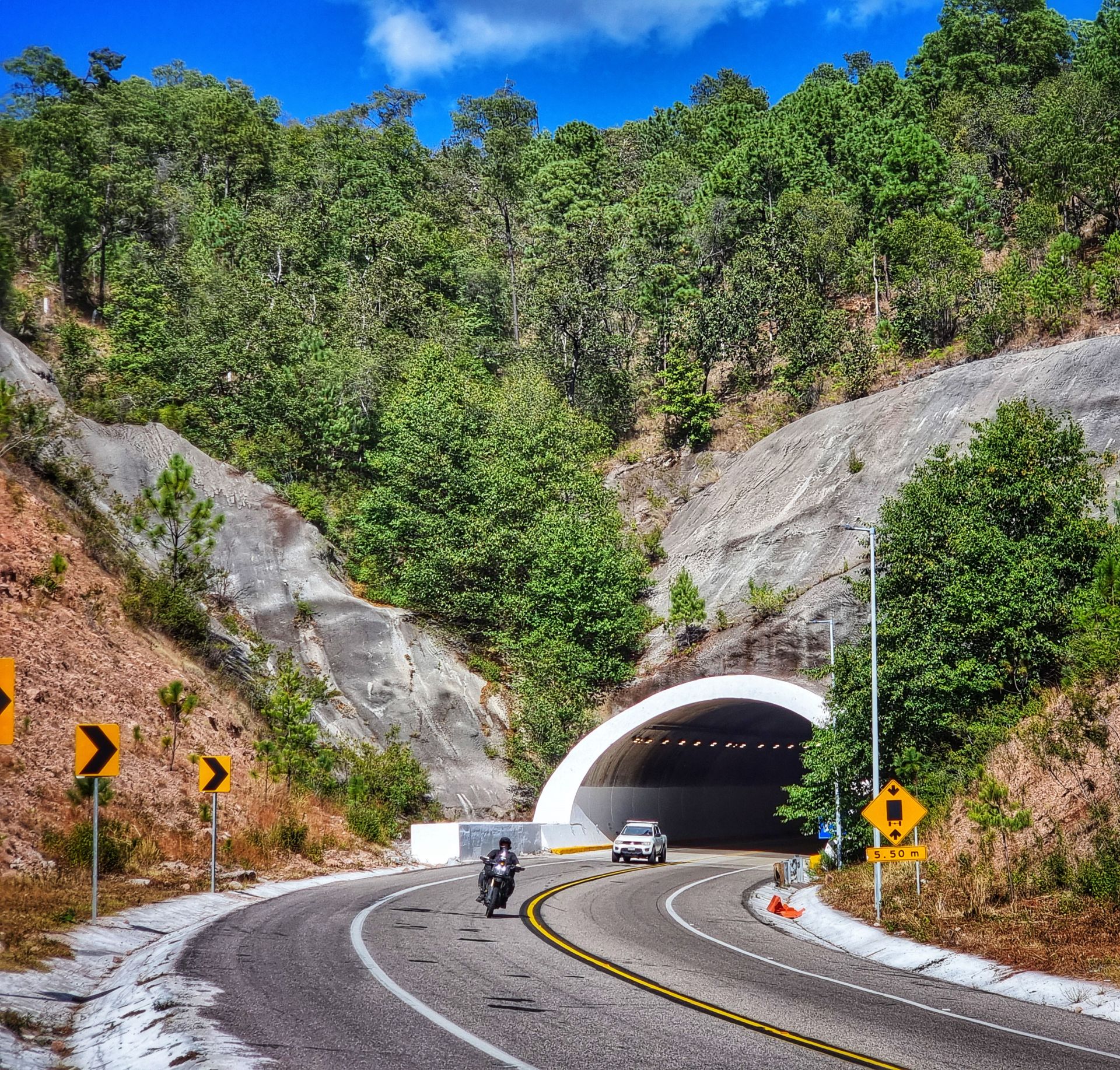
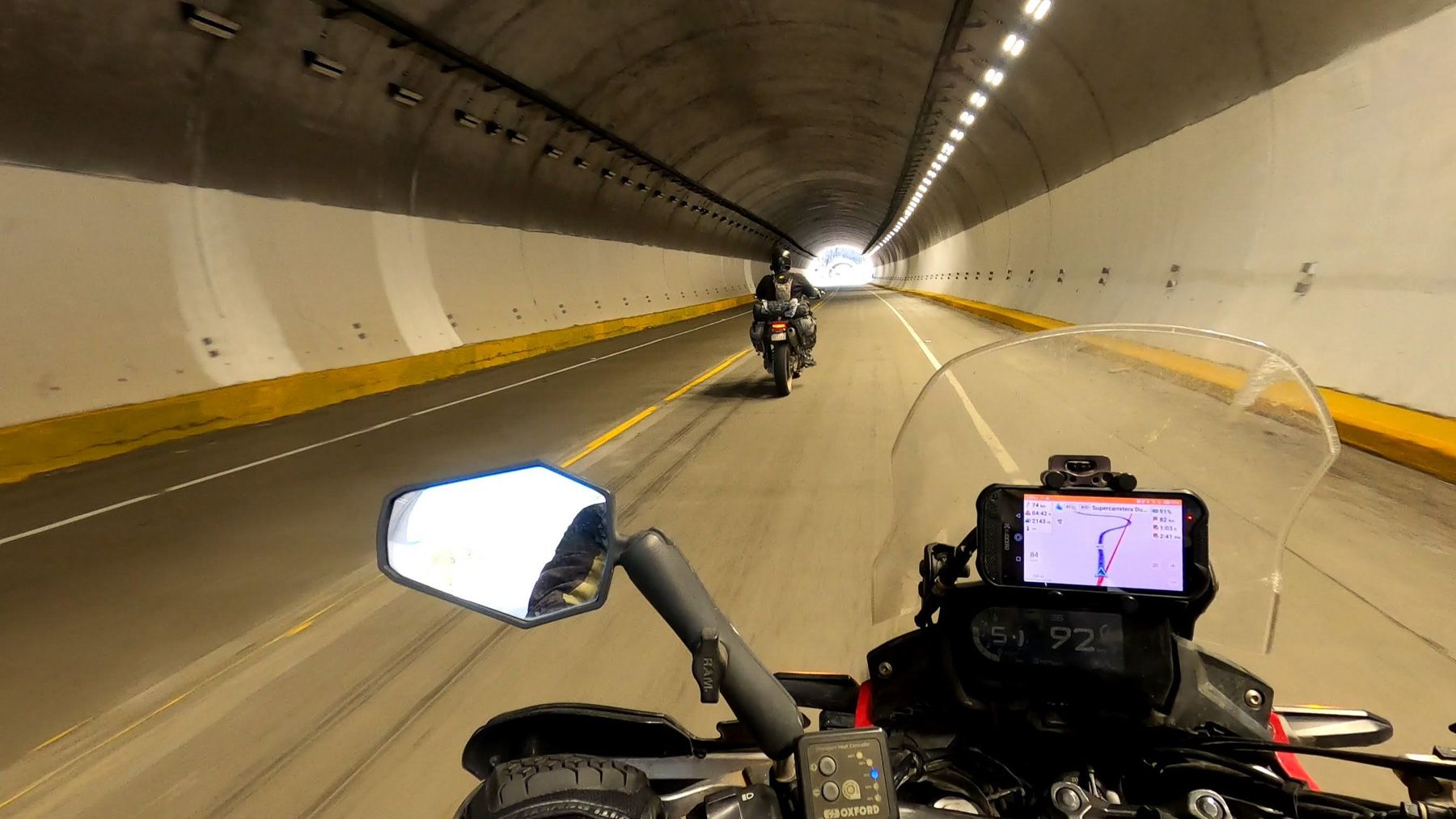
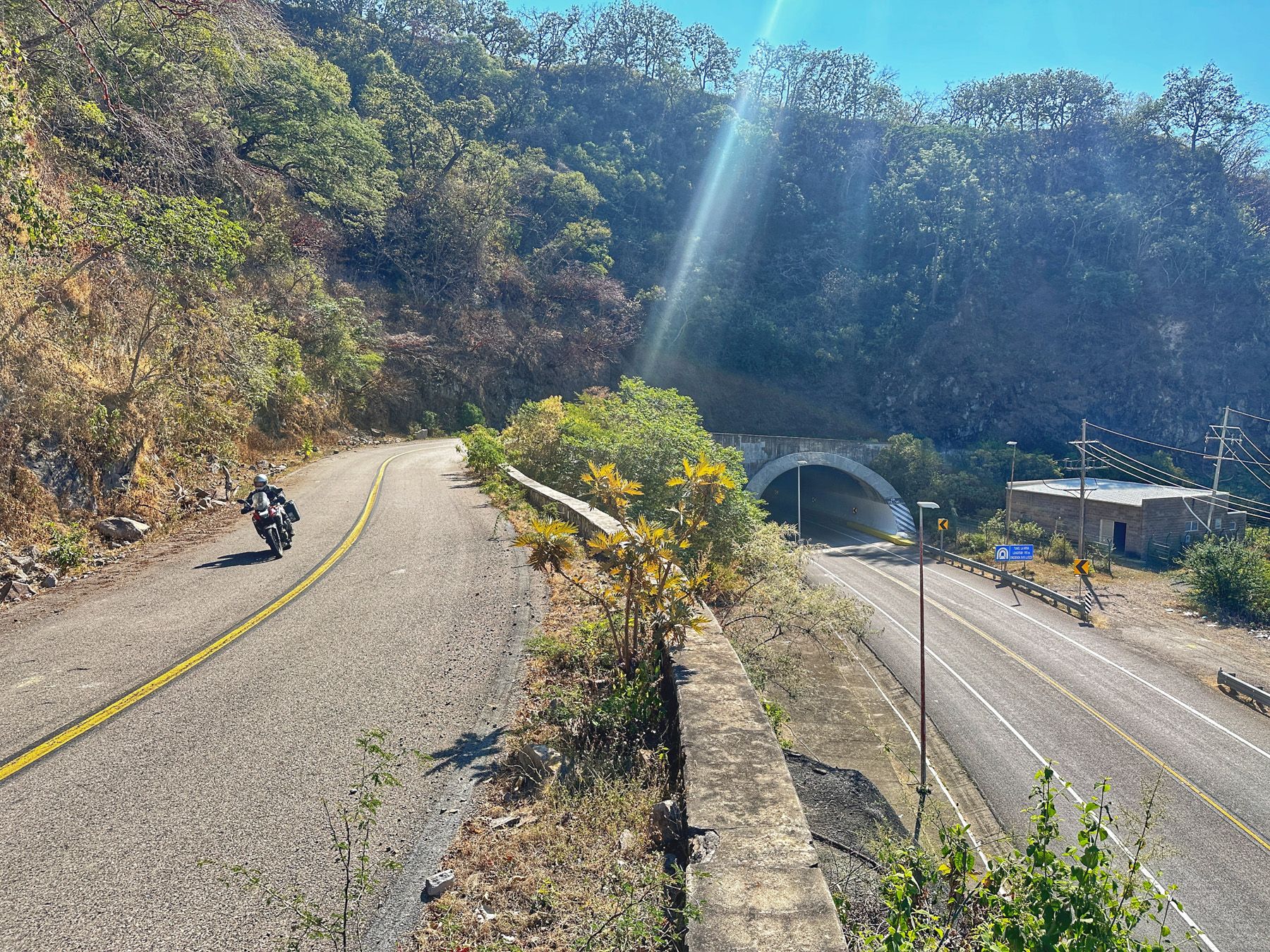
In 2013, the Durango-Mazatlán Highway (40D) was opened, a modern toll road with bridges and tunnels, including the massive Baluarte Bridge, the highest cable-stayed bridge in the Americas. While this new route made travel faster and safer, it also took traffic away from the old Route 40, leaving it mostly to motorcyclists and adventurous travelers.
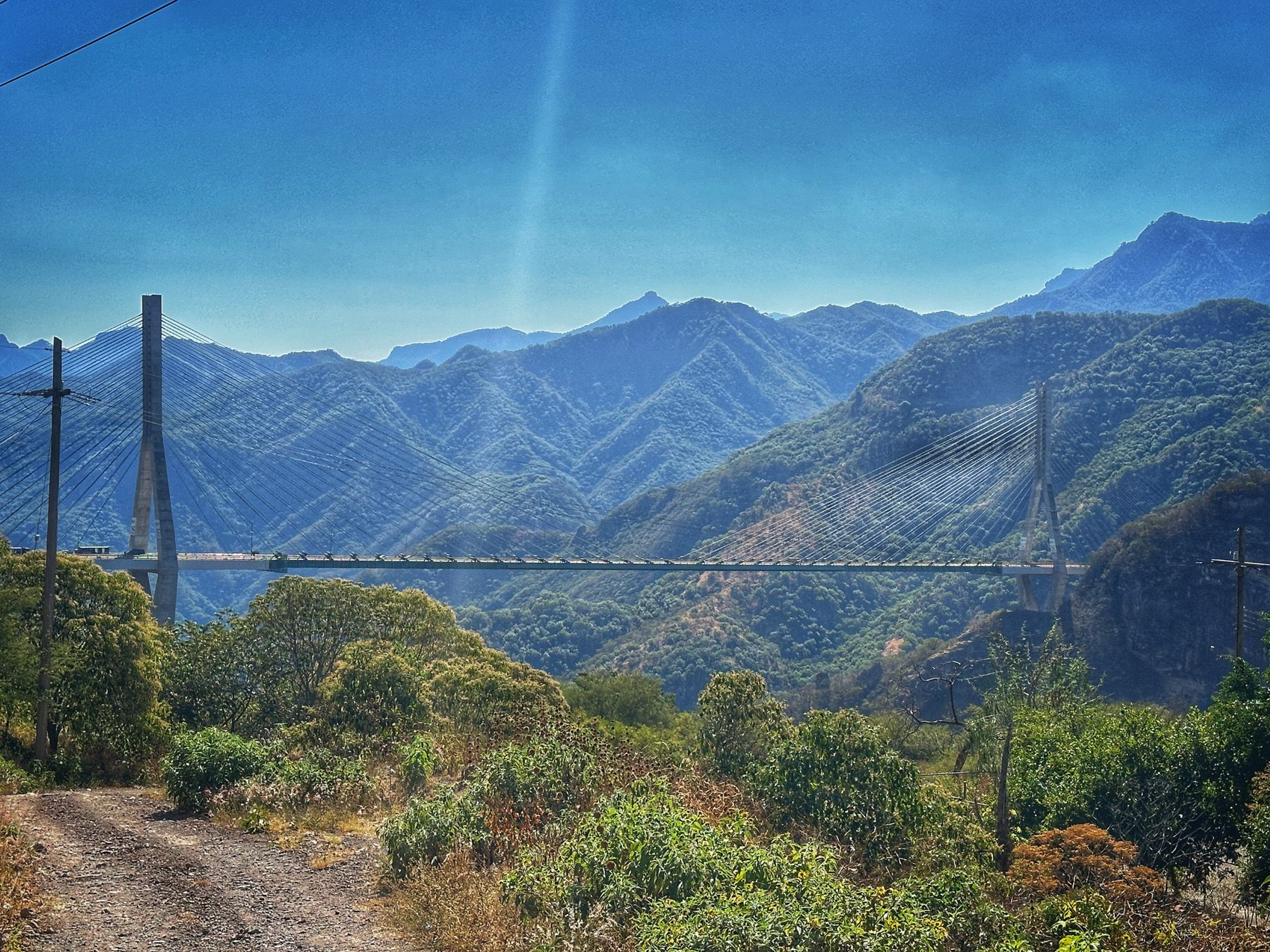
The most famous section of Route 40 is the Espinazo del Diablo, a narrow ridge with steep drop-offs on both sides. The name, which translates to “The Devil’s Spine,” comes from the way the road follows the crest of the mountains, giving riders the sensation of riding along the edge of the world.
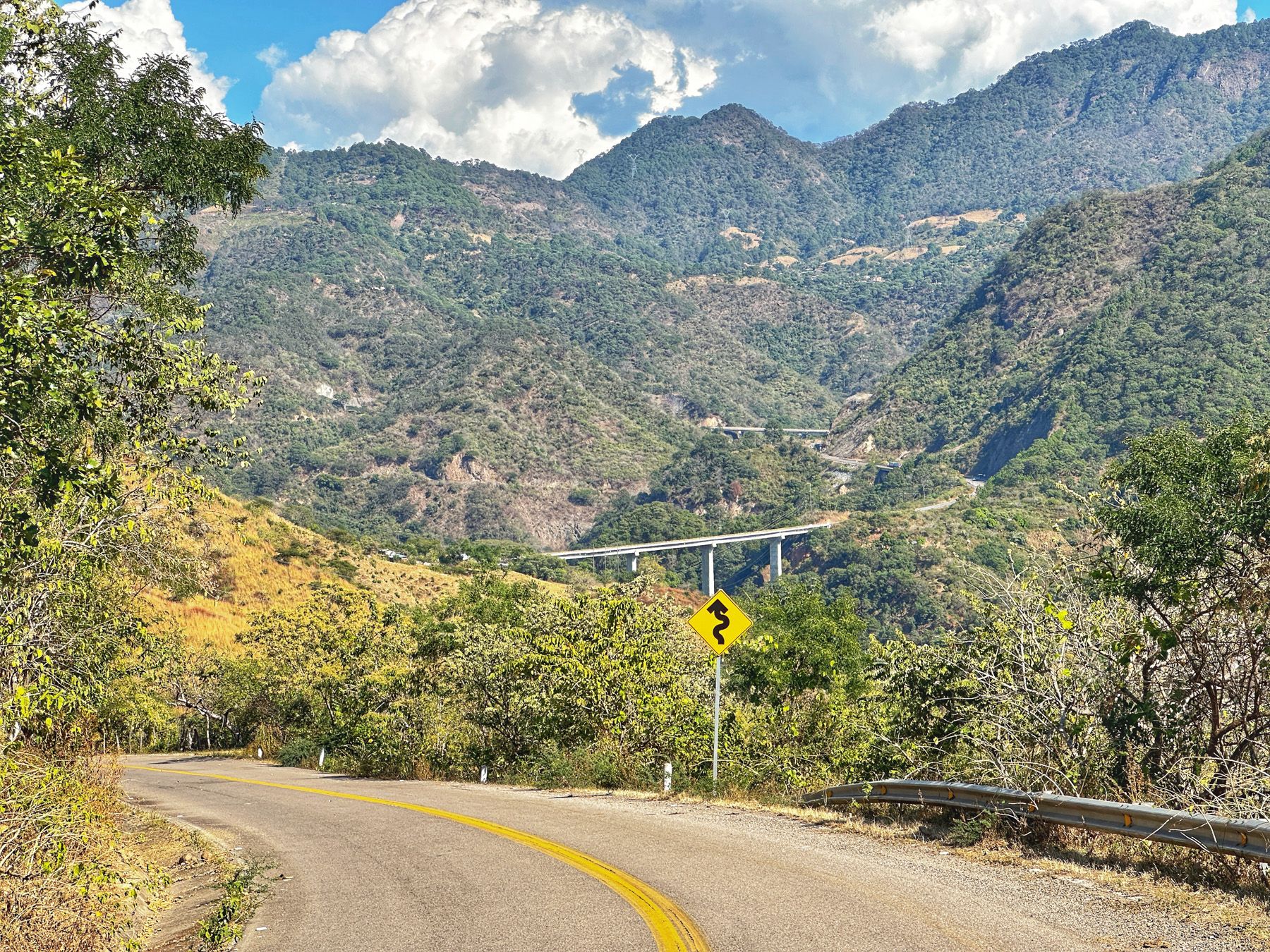
This section is packed with tight switchbacks, blind corners, and steep climbs. For experienced riders, it’s a dream—every turn is a challenge, every stretch a reward. For beginners, it can be intimidating, as mistakes here can have deadly consequences.
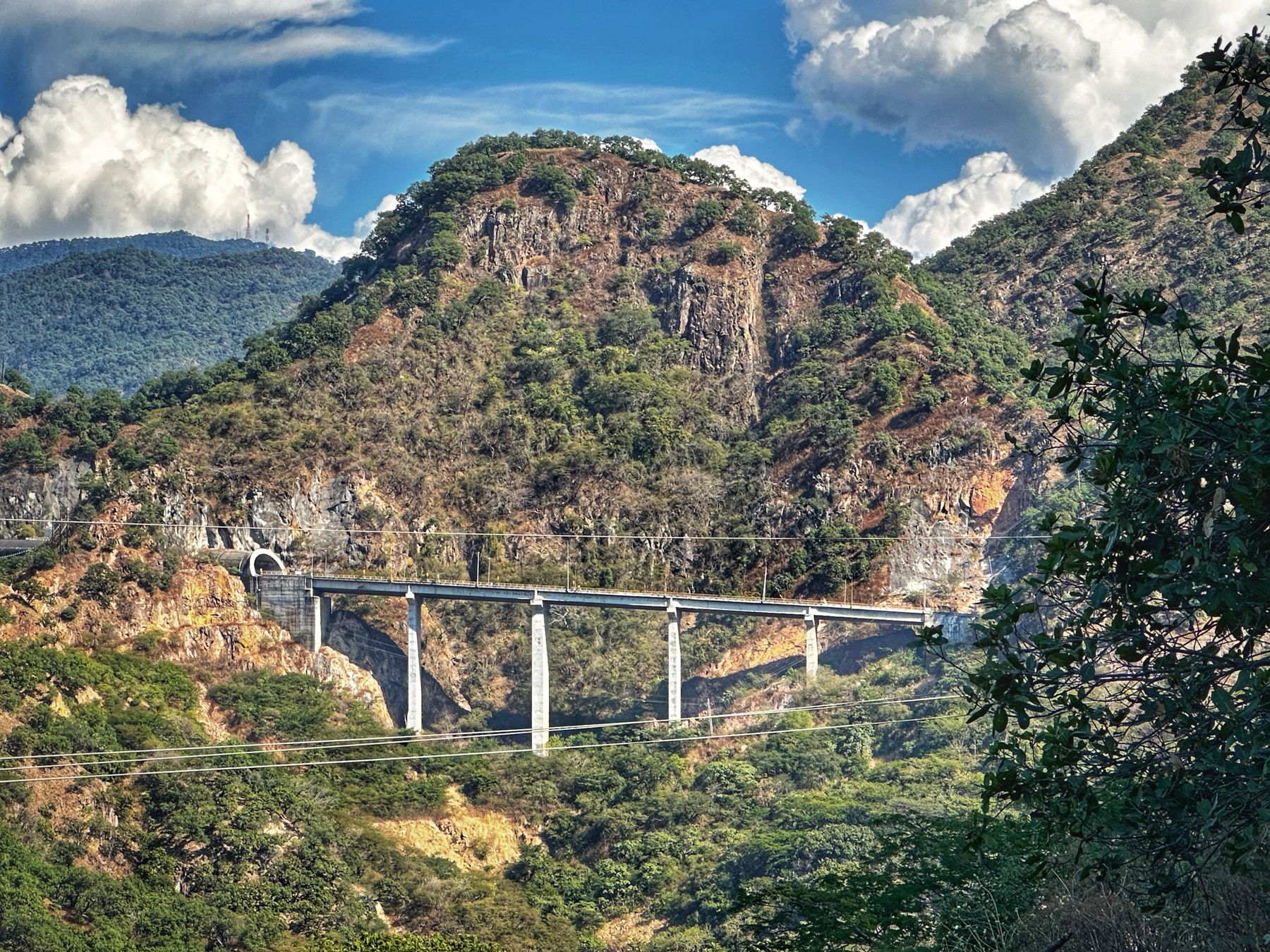
The pavement on Route 40 is generally in good condition, but sections can be rough due to erosion and truck traffic. The road is narrow, and fog is common in the mornings, reducing visibility.
Safety concerns include:
• Landslides after heavy rain.
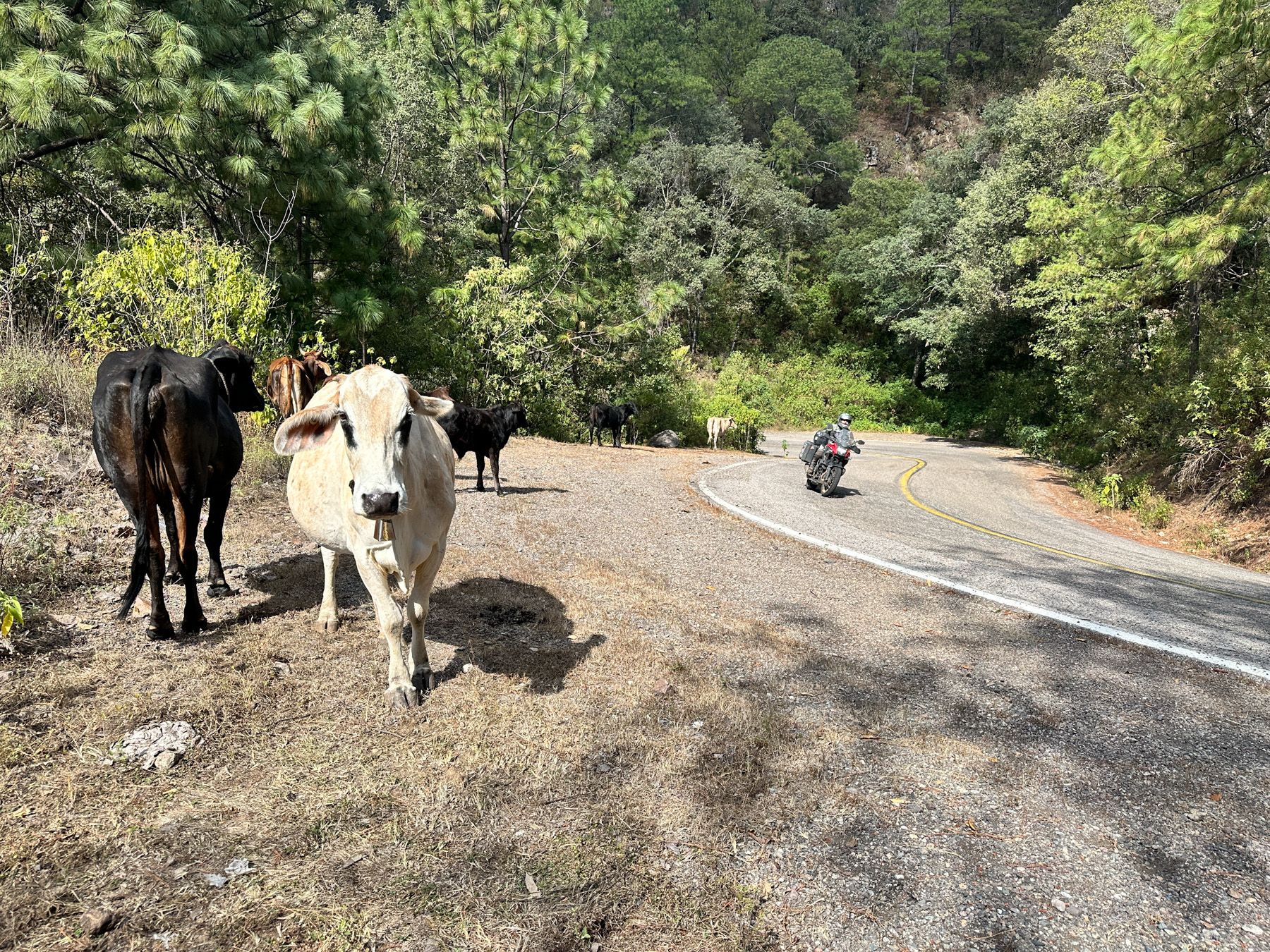
• Livestock on the road, especially near small villages.
• Truck traffic, though less than before, still poses a hazard in tight corners.
For the best experience ride in the early morning or late afternoon to avoid heat and heavy traffic.
Sadly this has to be mentioned…The Cartel Presence
A Road Through Narco Territory
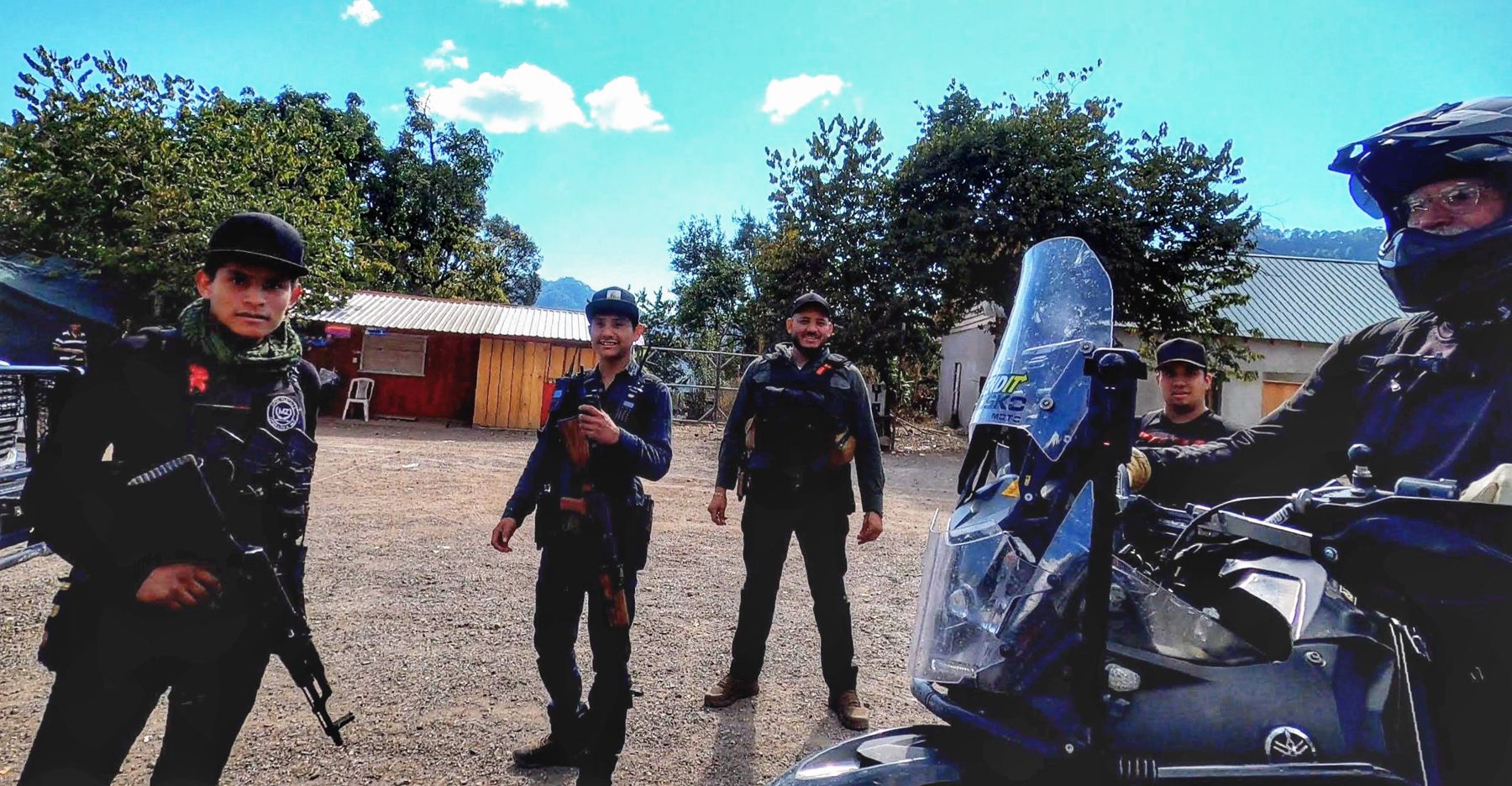
The Sierra Madre Occidental has long been a stronghold for drug cartels. The dense forests and remote valleys provide cover for drug production, and parts of Route 40 have been known as smuggling corridors.
While most riders won’t encounter trouble, it’s important to be aware of roadblocks or unofficial checkpoints set up by local groups. Travelers should avoid riding at night when criminal activity is more likely. Stick to main roads and avoid detours into remote area stay updated on security conditions before riding from locals. The military and police frequently patrol the area, but it’s best to ride cautiously and be respectful if stopped.
Things to See Along the Route
Despite its dangers, Route 40 is rich with history, nature, and local culture.
1. El Salto
A small town deep in the mountains, El Salto is a good place to fuel up and grab a meal. Known for its woodworking industry, the town has a rustic charm.
2. Mexiquillo
A hidden gem in the Sierra, Mexiquillo is known for its rock formations, waterfalls, and abandoned railway tunnels. It’s worth a short detour for an off-road adventure.
3. The Miradores
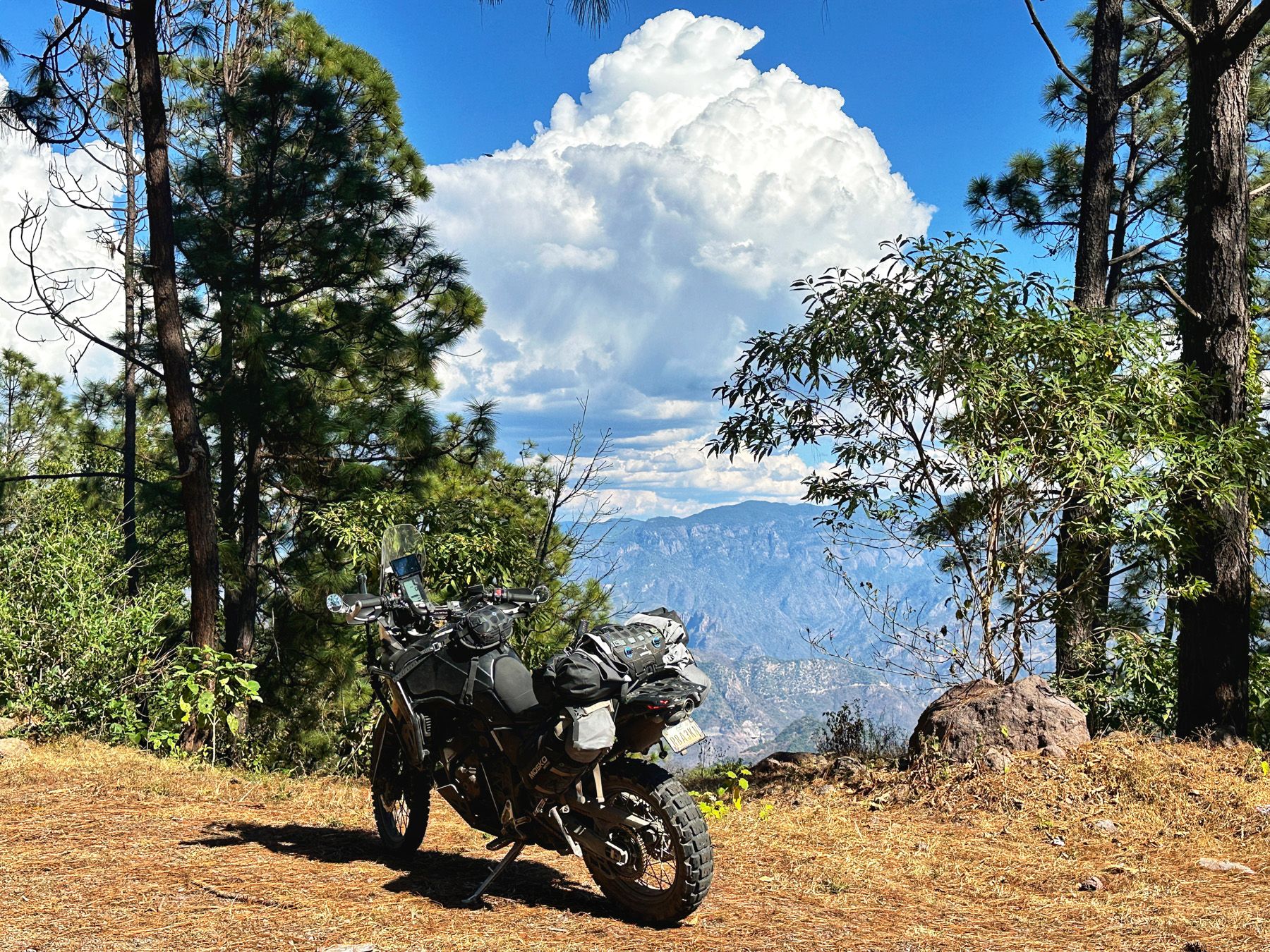
There are several scenic overlooks along the Espinazo del Diablo, offering panoramic views of the rugged mountains. These stops are perfect for catching your breath and taking in the scenery.
4. Concordia
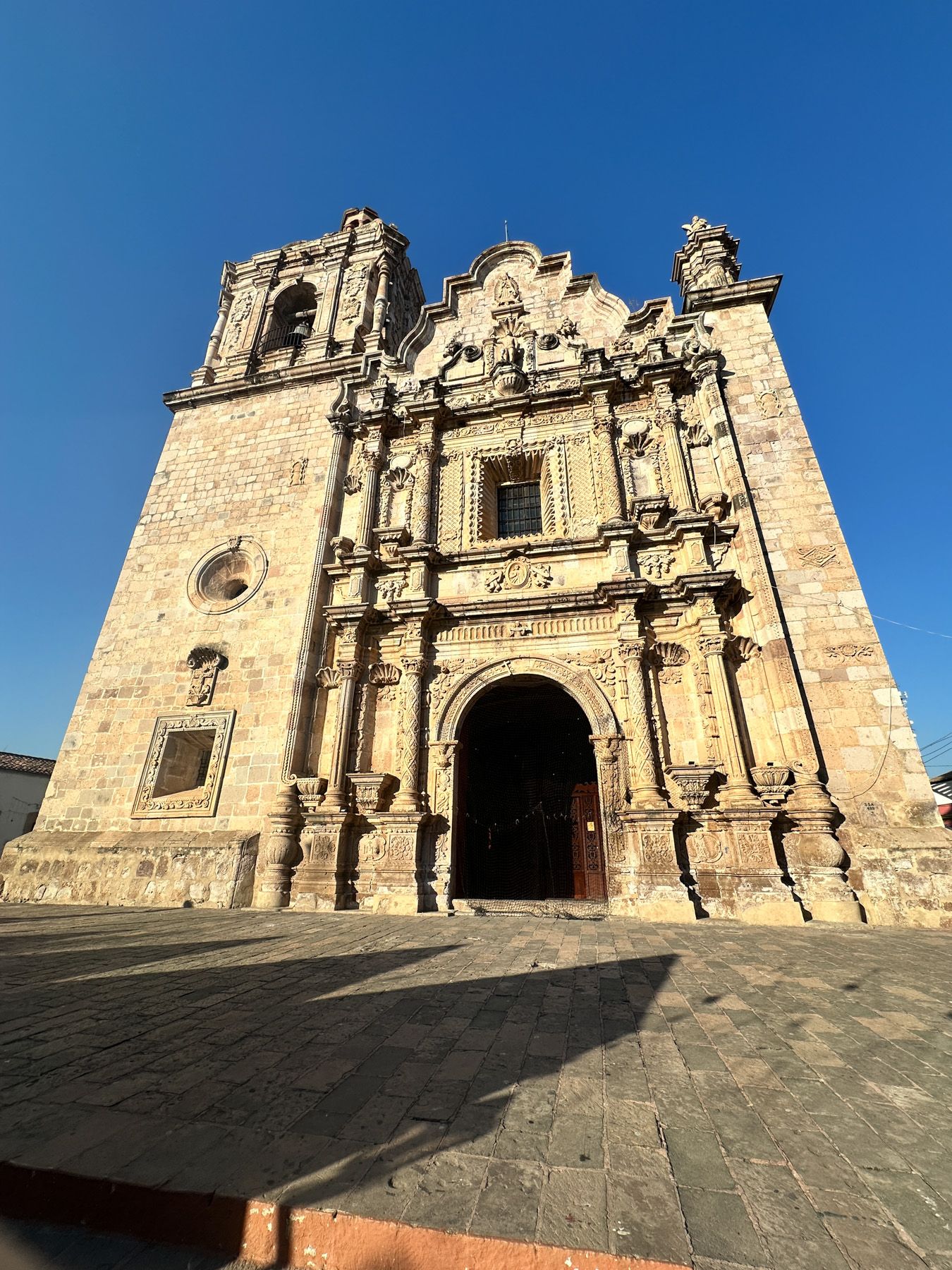
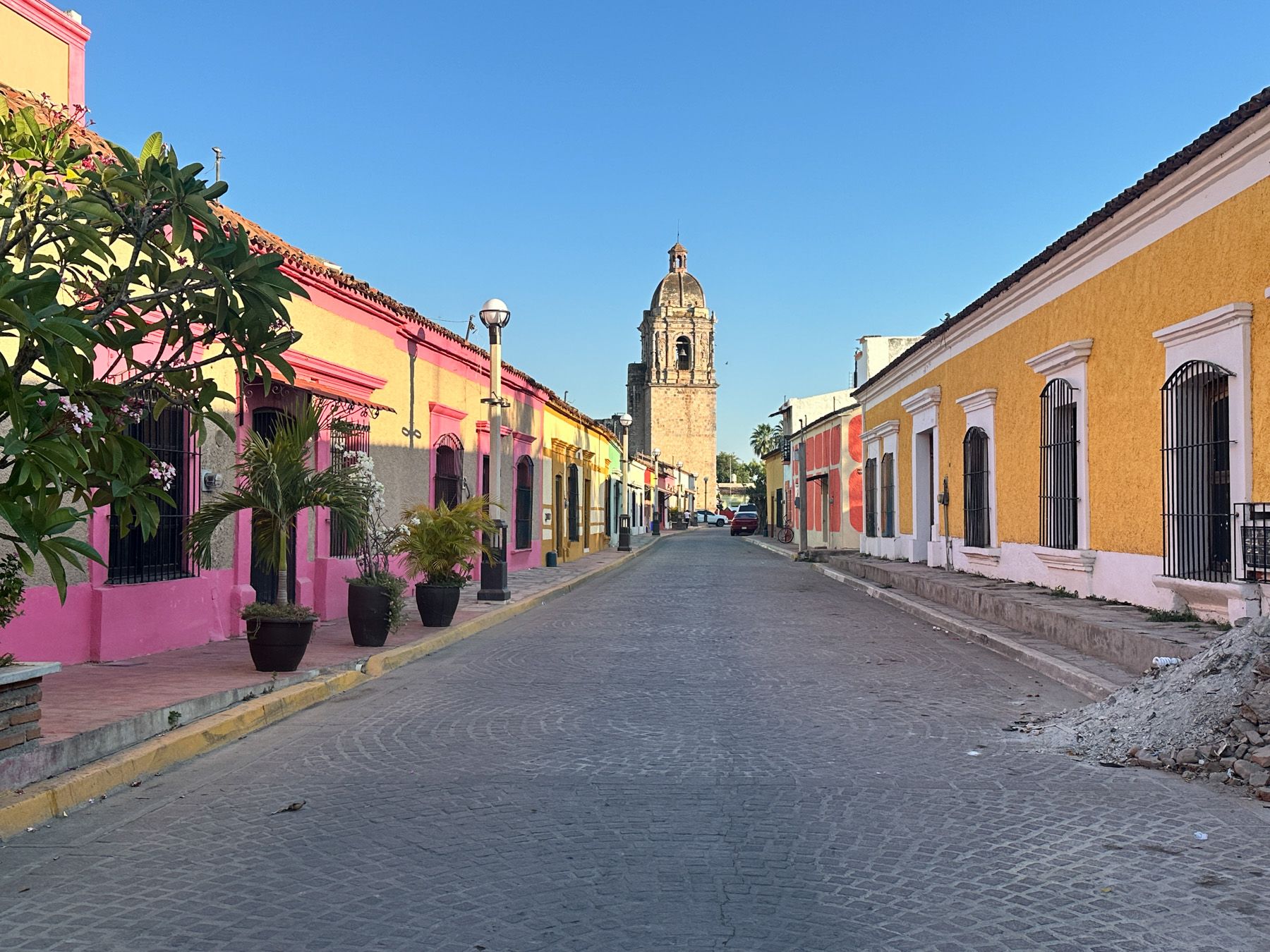
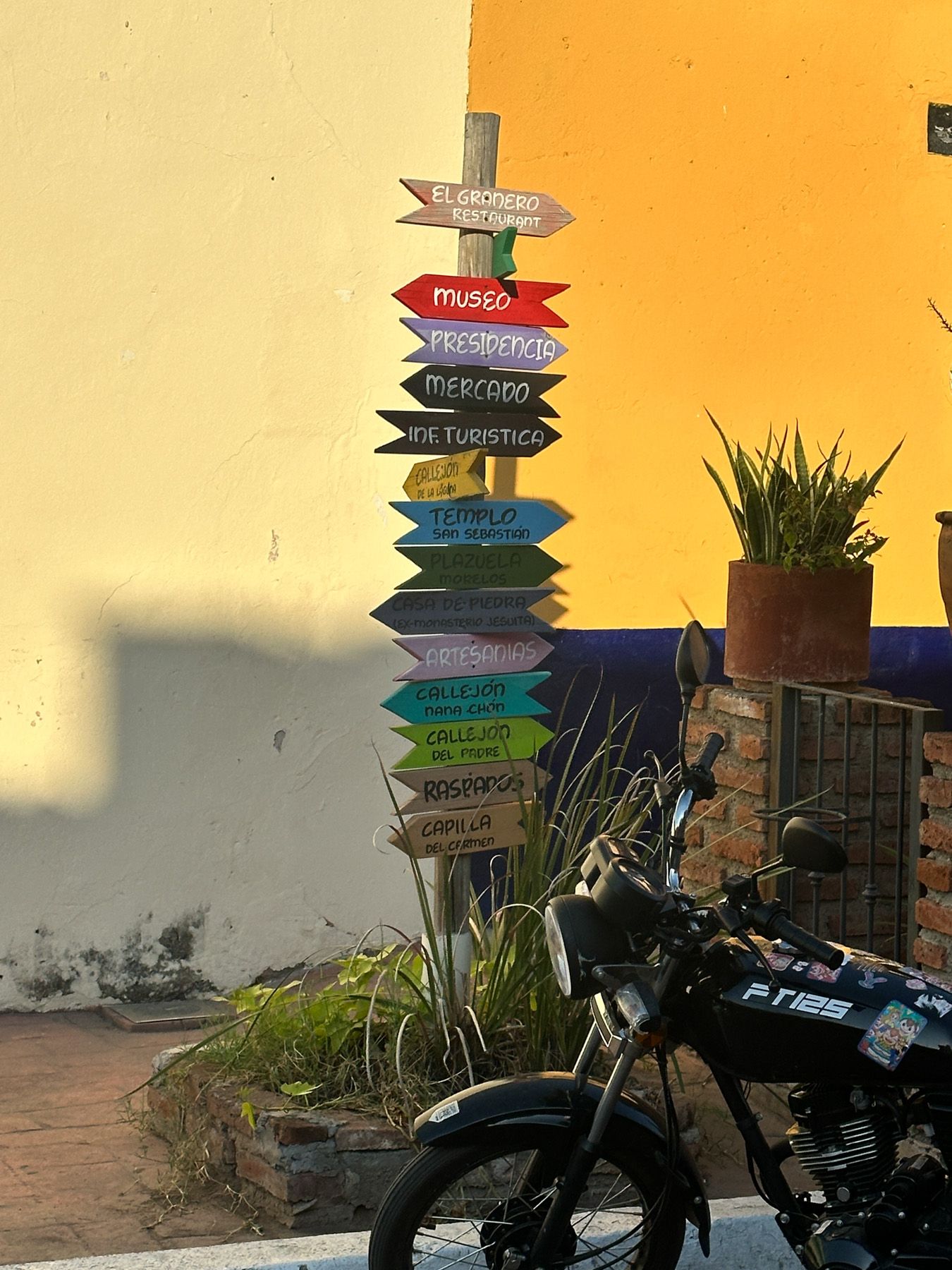
As you descend into Sinaloa, Concordia is one of the last towns before reaching Mazatlán. Known for its colonial church and handmade furniture, it’s a great place to explore before heading to the coast.
Why Ride Route 40?
The Challenge & The Beauty
Route 40 offers one of the most rewarding rides in Mexico. It’s a road that demands respect—both for its engineering and for the forces of nature that still shape it.
The combination of high-altitude mountain riding, sharp curves, and shifting landscapes makes it an unforgettable experience. Unlike modern highways, this road retains its raw, untamed character.
For those looking for a technical, scenic, and legendary ride, Route 40 from Durango to Concordia is a bucket-list journey. It’s a road that pushes riders to their limits while rewarding them with some of the most spectacular views in the country.
Whether you are riding for the thrill, the history, or just the love of the open road, the Espinazo del Diablo will leave an impression—one that lingers long after the last curve fades into the horizon.